




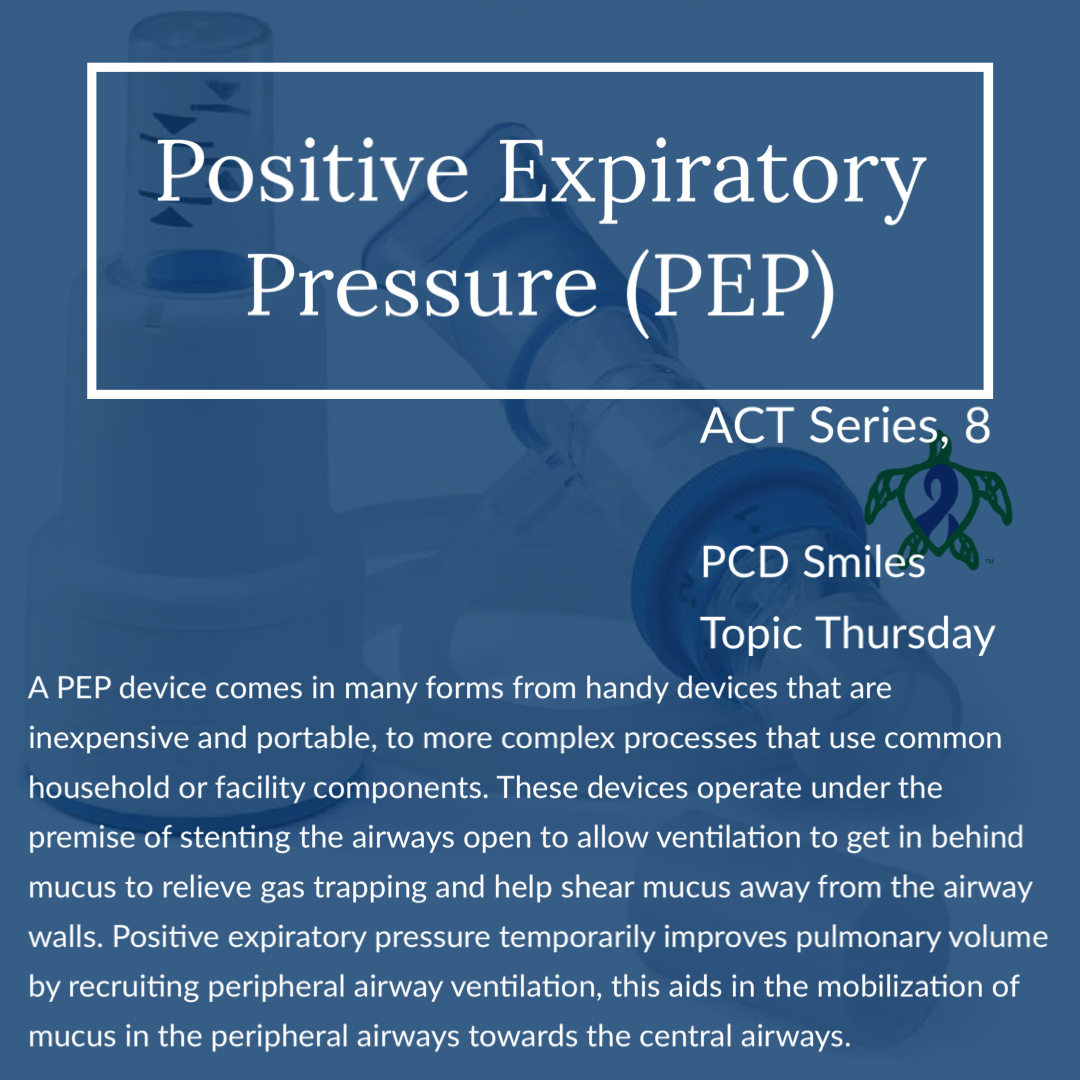
ACT Series, 8; Positive Expiratory Pressure (PEP)
As we move into the devices used as airway clearance techniques (ACTs) it is important to understand that as the patient population with mucociliary clearance disorders ages, due to advances in research and treatment of those disorders, it has become apparent that airway clearance techniques that patients could do on their own actually increases treatment compliance. One of the first devices we will talk about are PEP devices, or rather positive expiratory pressure devices. A PEP device comes in many forms from handy devices that are inexpensive and portable, to more complex processes that use common household or facility components. These devices operate under the premise of stenting the airways open to allow ventilation to get in behind mucus to relieve gas trapping and help shear mucus away from the airway walls. Positive expiratory pressure temporarily improves pulmonary volume by recruiting peripheral airway ventilation, this aids in the mobilization of mucus in the peripheral airways towards the central airways.
Read more: ACT Series, 8; Positive Expiratory Pressure (PEP)
- Hits: 5366
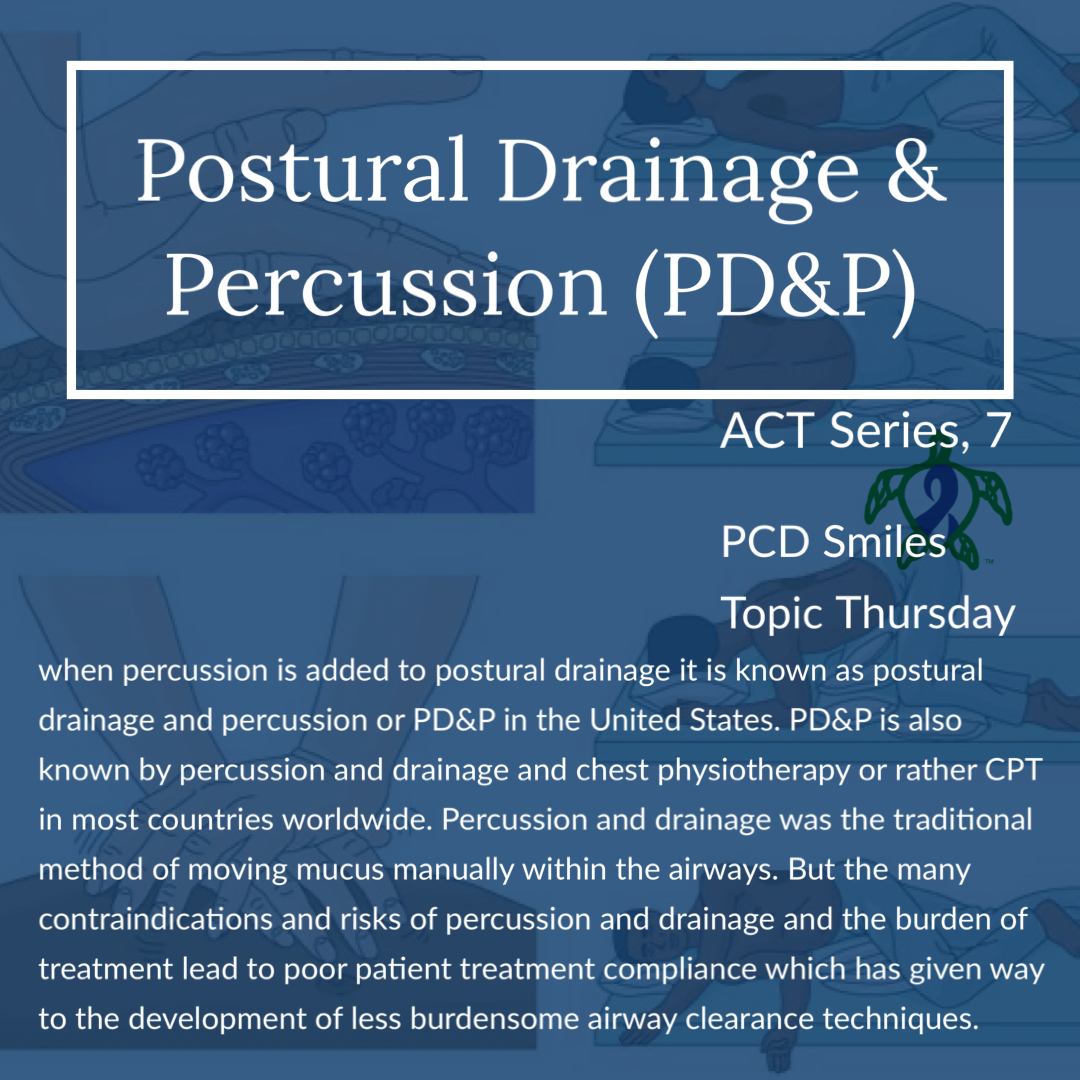
ACT Series, 7; Postural Drainage & Percussion (PD&P)
As we continue our deep dive into airway clearance when percussion is added to postural drainage it is known as postural drainage and percussion or PD&P in the United States. PD&P is also known by percussion and drainage and chest physiotherapy or rather CPT in most countries worldwide. Percussion and drainage was the traditional method of moving mucus manually within the airways. But the many contraindications and risks of percussion and drainage and the burden of treatment lead to poor patient treatment compliance which has given way to the development of less burdensome airway clearance techniques. There is research that supports the use of percussion and drainage in patients with cystic fibrosis (CF), and those parents with similar mucus viscosity seen in CF, who can tolerate it. Proper percussion and drainage is caregiver dependent, meaning the patient can not effectively perform this airway clearance technique by themselves; they must have a caregiver’s help.
Read more: ACT Series, 7; Postural Drainage & Percussion (PD&P)
- Hits: 4774
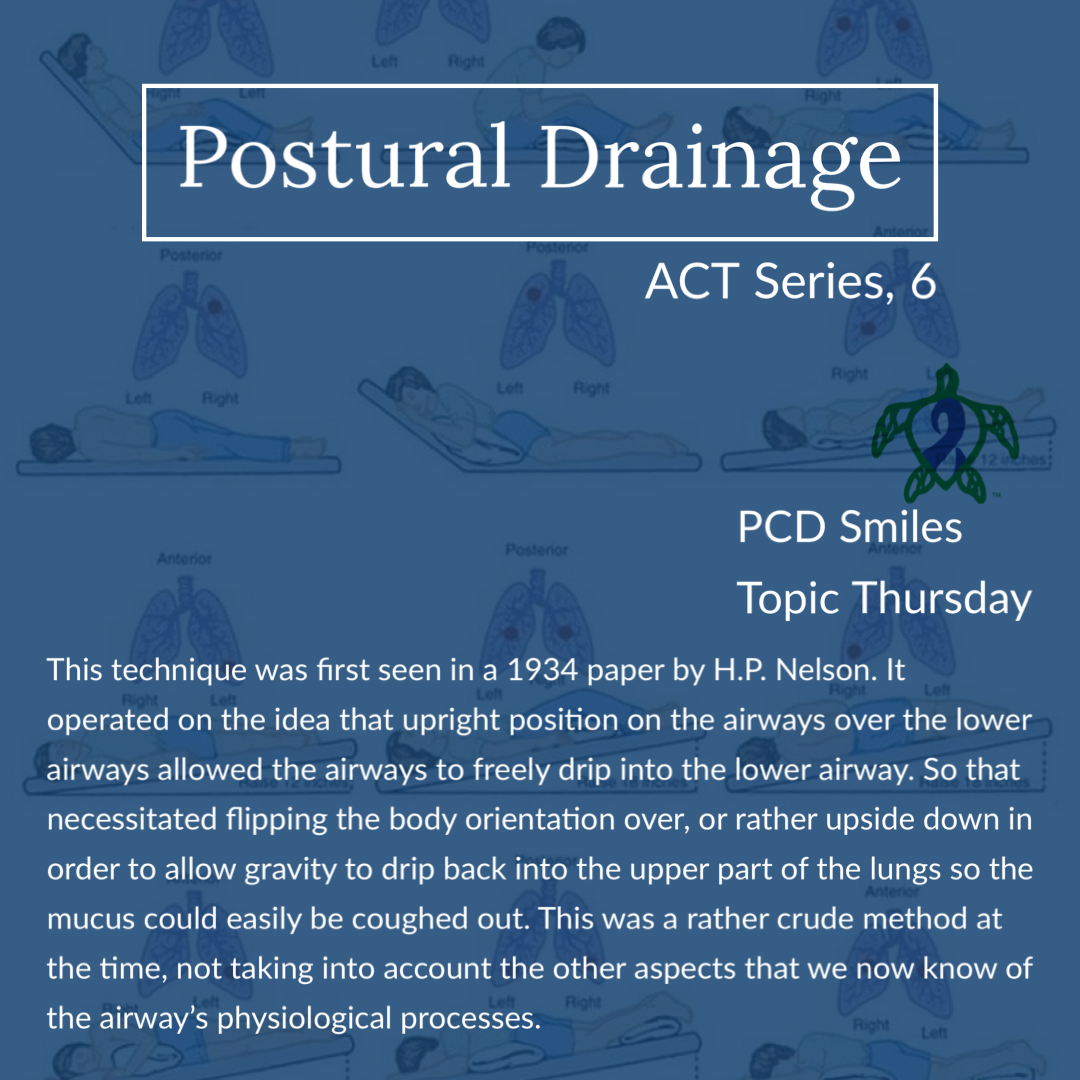
ACT Series, 6; Postural Drainage
As we continue our deep dive into airway clearance the first technique for airway clearance was postural drainage (PD). This technique was first seen in a 1934 paper by H.P. Nelson. It operated on the idea that the upright position of the airways over the lower airways allowed the airways to freely drip into the lower airway. So that necessitated flipping the body orientation over, or rather upside down in order to allow gravity to drip back into the upper part of the lungs so the mucus could easily be coughed out. This was a rather crude method at the time, not taking into account the other aspects that we now know of the airway’s physiological processes. However this method of airway clearance was widely used from the 1930s well into the mid 1980s when researchers made some startling discoveries in the quest to aid the cystic fibrosis (CF) community in finding better treatments for CF patients to extend their life expectancy and improve their overall quality of life. As time advances, so does our understanding of things we research, and therefore we must be ready to advance into the future using current knowledge. As a good friend of mine always says, “We can only operate with the knowledge that we have at the time.”
Read more: ACT Series, 6; Postural Drainage
- Hits: 5322
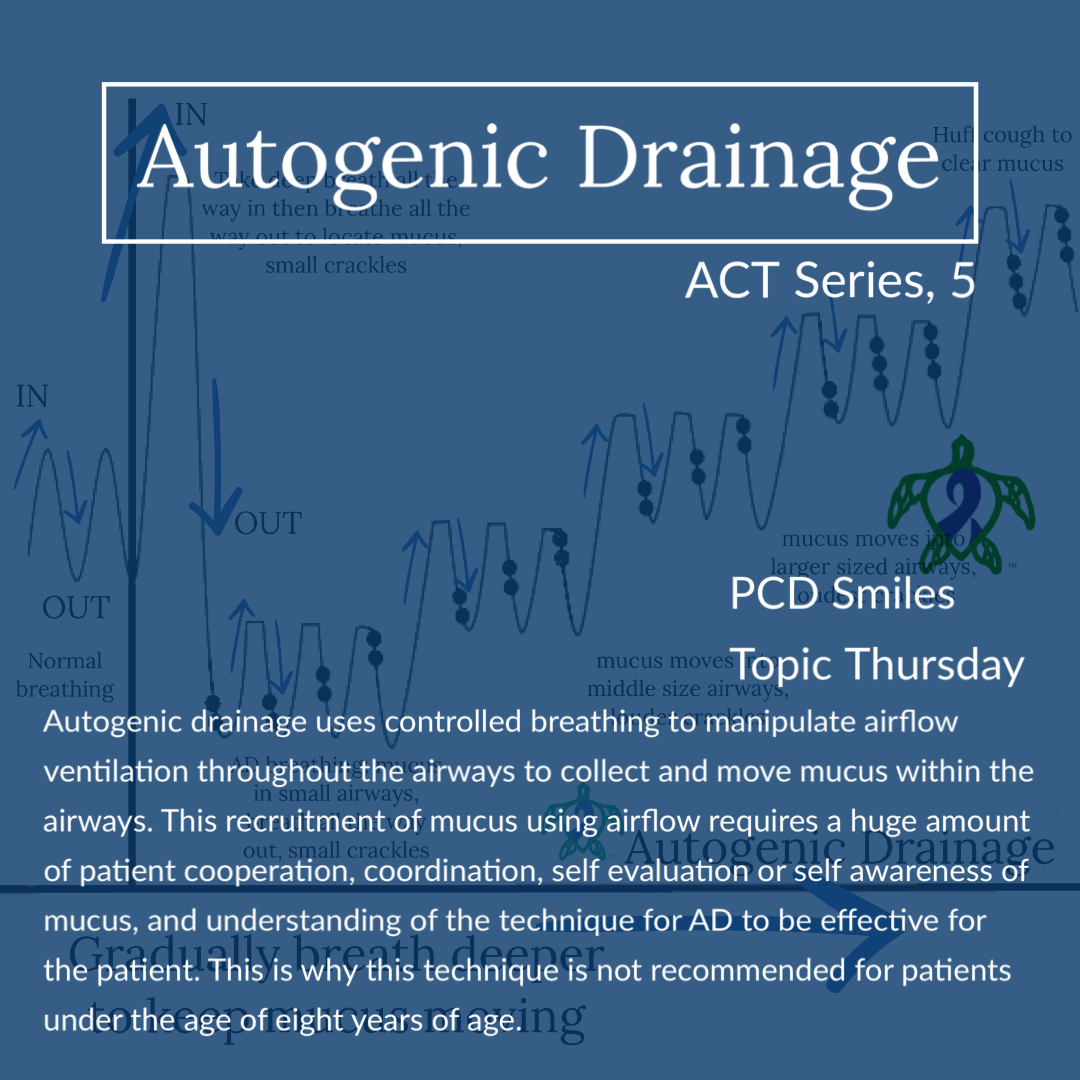
ACT Series, 5; Autogenic Drainage
As we continue our deep dive into airway clearance our second breathing technique for airway clearance is autogenic drainage (AD). This technique was developed in 1967 by Jean Chevaillier and was first limited to only asthma before later being applied or rather approved for use in other airway diseases associated with overproduction of mucus in the bronchial tree. Autogenic drainage uses controlled breathing to manipulate airflow ventilation throughout the airways to collect and move mucus within the airways. This recruitment of mucus using airflow requires a huge amount of patient cooperation, coordination, self evaluation or self awareness of mucus, and understanding of the technique for AD to be effective for the patient. This is why this technique is not recommended for patients under the age of eight years of age. It also reinforces the need for proper training by a licensed respiratory therapist and should not be undertaken by simply reading about the technique on the internet or being coached by a non-professional. Autogenic drainage in it’s basic form means self drainage. It’s aims are to recruit the movement of mucus from the lower airways to the upper airways using different breathing frequencies without causing airway collapse that can happen during forced expiratory pressures of other airway clearance techniques.
Read more: ACT Series, 5; Autogenic Drainage
- Hits: 5506
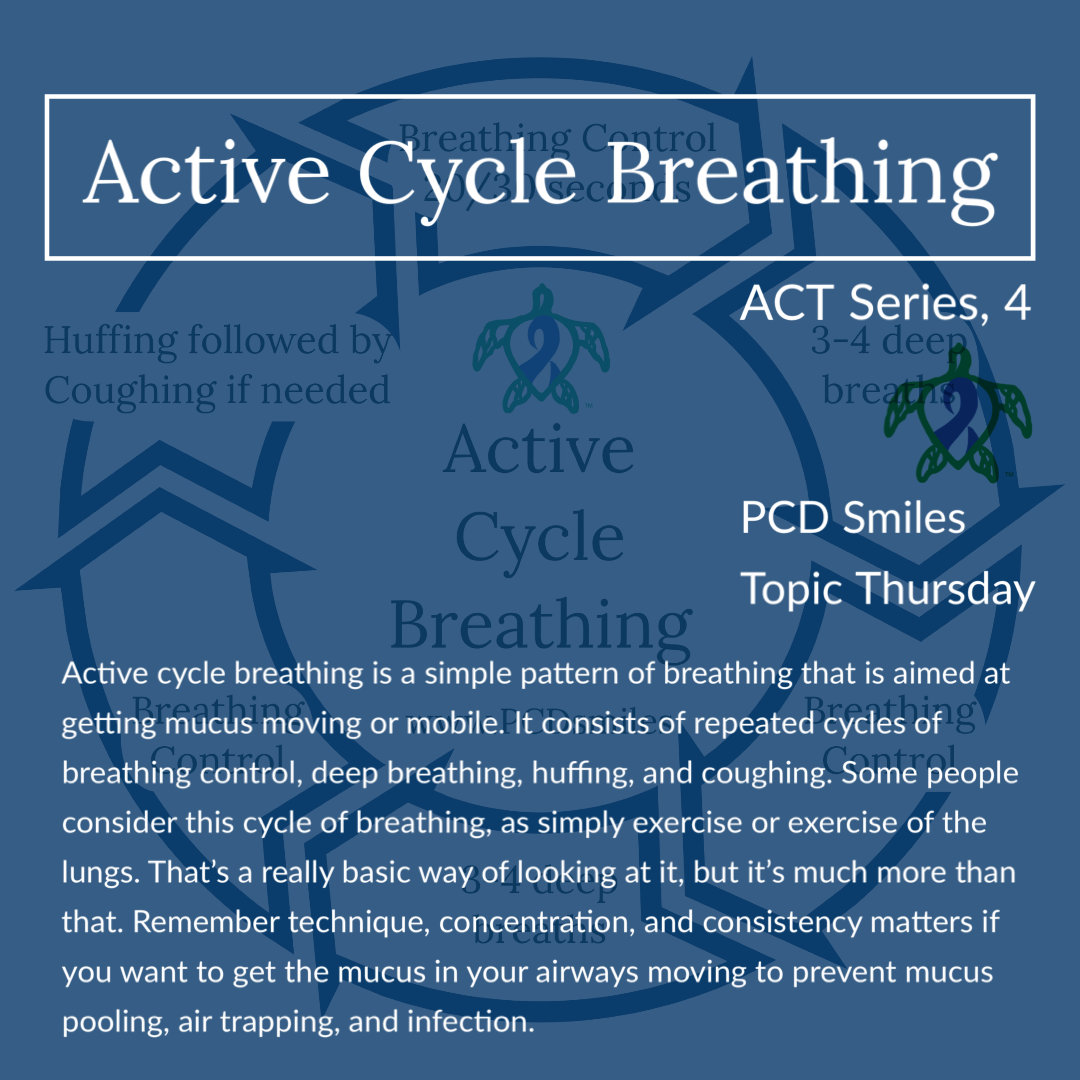
ACT Series, 4; Active Cycle Breathing
As we continue our deep dive into airway clearance our second, most basic, and next easiest airway clearance technique (ACT) is breathing. Breathing is another important part to all other airway clearance techniques. Breathing helps to get air in behind sections to help on the exhale to shear mucus with typical viscosity away from typical airway walls. The thicker the viscosity of the mucus the harder it is to shear the mucus away from typical airway walls with breathing and coughing alone. The same can be said for mucus that has less viscosity than typical mucus. Or rather if the mucus is too thin, thin mucus can prevent air from staying behind the mucus to allow for the exhale or expiratory forces of air to mobilize and move the mucus. In fact; if mucus is too thin, it can slip further into the alveoli area of the lungs where it gets stuck without more aggressive airway clearance measures. The condition of a patient’s airway walls also has some to do with cough and breathing to move mucus within the airways. But breathing for airway clearance is not your normal everyday breathing, it is breathing focused and directed with a purpose. It requires thought and concentration. This type of breathing for airway clearance is termed active cycle breathing or active cycle of breath in countries outside of the United States.
Read more: ACT Series, 4; Active Cycle Breathing
- Hits: 5336
More Articles …
Page 3 of 14